

In the ever-evolving landscape of pet care, the intersection between grooming practices and agricultural knowledge is an often overlooked but fascinating area. Pet grooming is not just about aesthetics or maintaining a fluffy coat; it involves a deep understanding of animal health and hygiene, many principles of which are rooted in agricultural practices. As we explore the connections between these two fields, we can uncover how agricultural techniques can enhance our approach to pet grooming and ultimately benefit the health and well-being of our beloved animals.
Understanding the relationship between agriculture and pet health provides valuable insights for pet owners and groomers alike. By applying agricultural practices, such as proper nutrition, environmental cleanliness, and preventative care, groomers can create a holistic grooming experience that goes beyond mere grooming. This article will delve into practical tips and strategies that groomers can adopt from agricultural practices to ensure that the pets entrusted to their care are happier, healthier, and more vibrant.
Essential Grooming Techniques
Pet grooming is an essential practice that not only enhances the appearance of pets but also significantly contributes to their overall health and wellbeing. Regular grooming helps to identify potential health issues early, such as skin infections, lumps, or parasites, which can be crucial for a pet's longevity. Grooming also helps to maintain a clean coat, reducing the risk of matting and skin irritations. By establishing a consistent grooming routine, pet owners can keep their furry companions in peak condition.
One of the fundamental techniques in grooming is brushing. Different breeds require various types of brushes, and understanding the needs of your pet is key. For example, long-haired breeds may require daily brushing to prevent mats, while short-haired breeds might only need brushing once a week. Proper brushing distributes natural oils throughout the coat, promoting a healthy shine and helping to remove loose hair and dirt. This practice not only benefits the pet but also reduces shedding around the home, which is a practical consideration for pet owners.
Bathing is another critical aspect of grooming, but it should be done carefully to avoid stripping the coat of its natural oils. Depending on the breed, a bath every few weeks or months may be appropriate. Using pet-safe shampoos is essential to prevent skin irritations and allergies. Furthermore, ensuring that pets are thoroughly dried after a bath can prevent them from getting cold, especially in cooler climates. Grooming also provides an excellent opportunity for bonding between pets and their owners, reinforcing trust and affection.
Impact of Grooming on Pet Health
Regular grooming plays a crucial role in maintaining a pet's overall health and well-being. Through grooming, owners can remove dirt, debris, and loose fur that can accumulate in a pet's coat. This not only keeps the pet looking clean but also helps prevent skin issues, such as irritations and infections. A thorough grooming routine can reduce the likelihood of matting, which can tug on the skin and cause discomfort or pain for the animal.
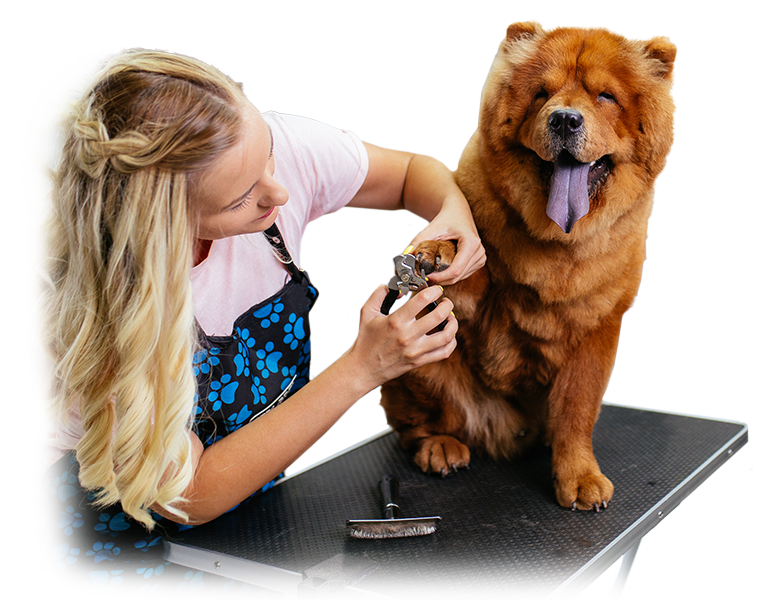
In addition to coat care, grooming allows for early detection of potential health issues. While brushing and bathing, pet owners can closely inspect their animals for signs of parasites, such as fleas or ticks, as well as skin abnormalities and lumps. Identifying these issues early ensures that they can be addressed promptly, which is vital for maintaining a pet’s health. Moreover, regular grooming establishes a bond between the pet and its owner, promoting emotional well-being.
Grooming also contributes to the overall hygiene of pets, which is particularly important for their interaction with agricultural environments. For pets that accompany farmers or spend time outdoors, maintaining cleanliness through grooming minimizes the transfer of dirt and pests into the home. Furthermore, a healthy coat can help regulate a pet's body temperature, especially when working or playing in various agricultural settings, reducing the risk of heat stress or hypothermia. Thus, grooming petbuddiescare.com enhances the pet's appearance but is essential for their physical and emotional health.
Best Practices for Agricultural Settings
Effective pet grooming in agricultural settings is essential to maintain the health and well-being of both animals and the agricultural environment. Regular grooming helps remove dirt, debris, and pests from pets, which can prevent the spread of parasites to livestock and crops. Implementing a routine grooming schedule not only enhances pet hygiene but also reduces the risk of disease transmission, creating a healthier ecosystem on the farm.
In addition to regular grooming, using appropriate grooming tools and products designed for agricultural environments is vital. These tools should be durable and easy to clean to withstand the rigors of farm life. Groomers should choose shampoos and conditioners that are safe for both pets and farm animals, avoiding harsh chemicals that could contaminate the soil or water supply. Ensuring that grooming practices are sustainable helps support the overall health of the agricultural setting.
Finally, fostering an environment where pets feel comfortable during grooming can improve their overall experience and cooperation. Implementing gentle handling techniques and reinforcing positive behaviors with rewards can help pets associate grooming with positive experiences. This not only promotes a healthier relationship between pets and their owners but also encourages responsible pet ownership within the agricultural community, which is crucial for maintaining harmony on farms.